
An important milestone was breached for a dear friend of mine on 30 June 2006. This was her last day in the office as Associate Dean and it marked the end of an accomplishment-filled 30-year career in academe. Yes, she retire — and with all the honor and distinction she so rightfully deserved.
But she didn’t get any from me, at least not in some openly communicated form. In fact, this is the first time I have acknowledged it publicly. And this behavior on my part is not the only instance. So far this year three close colleagues have either retired or significantly changed their lifestyle through post-retirement decisions. I really haven’t handled any of them very graciously.
Over the years I have coached countless numbers of people representing a wide range of principles, achievements, and ambitions to get from where they are into career spaces they wanted to explore. This included helping several with their transitions into retirement. In looking back, though, I realize that with only rare exception, contact with them is lost after they retire. They went on and I went on and we went in different directions. It seemed natural enough – things DO change and life DOES play out differently for each of us. They were busy with grandchildren and family, avocations and second careers, volunteer projects and philanthropies, entertainment and travel: the typical, “things to do, places to go, and people to see.” We were not in the same spaces; and that was OK.
But that was then and this is now. These three retirement-related changes have me feeling antsy and unsettled. As is typical for retirements, the long-time working relationships I enjoyed beforehand were disrupted and the career and profession-related agenda “platforms” that framed conversations prior to retirement disappeared. This is nothing new. In the past I would attend the retirement parties of those I coached, acknowledge their achievements, and we would go our separate ways. But not in these instances – we are simply going our separate ways without even a whimper. Why?
Let’s see now, one is 53, another is 58, the third is 57, and – well – I am 56! Wait a minute, these are my peers! This could be MY retirement! This cannot be! I am not ready to retire. Maybe the coach needs a coach!
No, I am not ready to retire. But the retirement transitions of my good friends and former colleagues raise a very important question for me that, apparently, I have not given due consideration: what’s next, Mr. Bosserman? So, THAT’S what this is all about.
Life is fleeting regardless of genetics, health, and life circumstances. The only reality is that we will not get out of this world alive. My dad died of a heart attack when he was my age. My brother has survived heart attacks and surgeries and is soon to be 75. Our mother lived to be 86 and her mother made it to 90. The truth for me is somewhere between here and there with the only certainty being what’s here, now.
Life is about flow across time horizons we impose for our own sense of control. For us to gain perspective, we describe the current periods in which we live based on what we left behind in earlier phases and where we are going in subsequent stages. While we may convince ourselves that we have control over these transitions, we don’t really have all that much. However, we can choose responses to how we feel about where we are, what we are doing, and what we are considering. And this is the basis for as much management over change as one can muster.
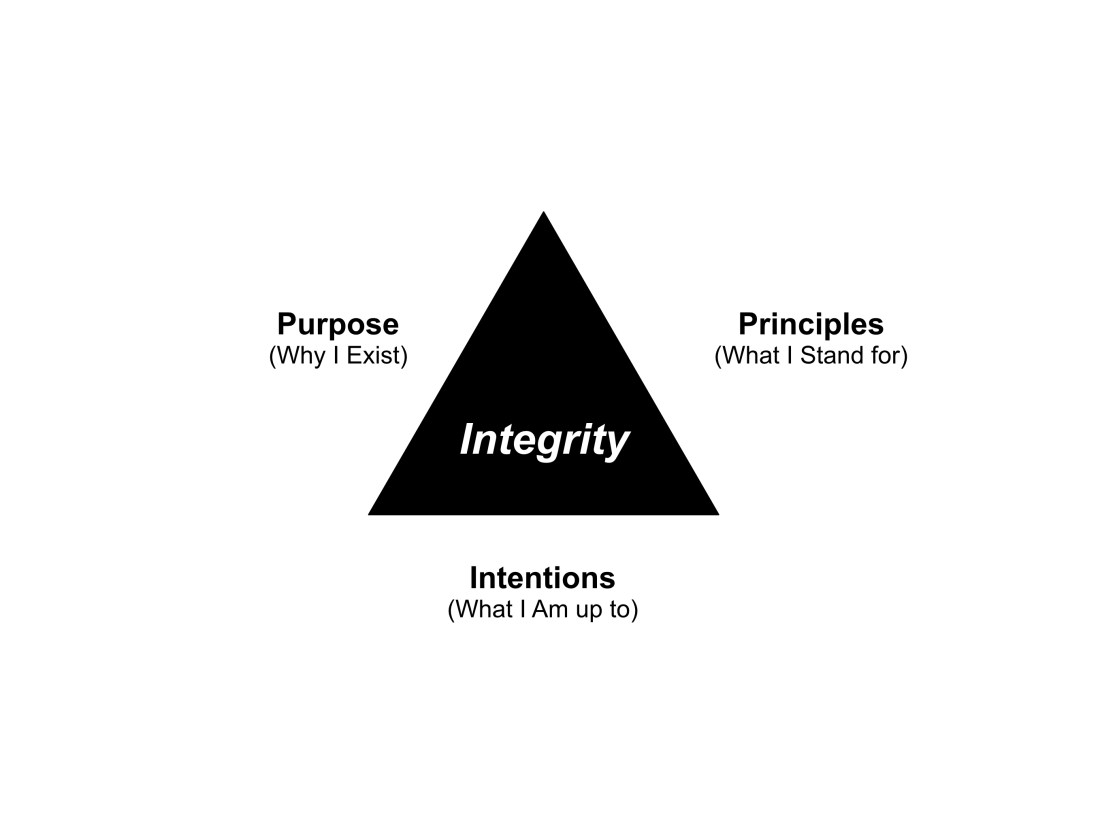
My friends’ retirements cause me to re-examine how I’m feeling about what’s going on for me. This year marks my 20th year of self-employment. These two decades afforded me the opportunity to experience everything that makes strategic framing and organization design such a challenging and rewarding professional area of focus. Most of all it put me in touch with all manner of people, their purposes, principles, and intentions, and the organization relationships they established to carry out their hopes and dreams. It is and it was a GREAT career choice!
While I can argue that there is certainly more to be done in this field and more that I can contribute, my creative spirit is drawn elsewhere. During much of my professional life I have been intrigued by the combination of graphics and the written word to communicate complex ideas and concepts through a universal language of symbols and verbiage. Developing my skills at tapping the power these media hold and applying it more fully for the benefit of others is the next phase of my professional interest and endeavor.
Over the years, I have learned much about people and organized behavior, leadership, and the impact of information and communication technologies on how people do what they do more effectively and efficiently. Using these media to convey that learning to others so they can better do what they do is a legacy worth leaving. And maybe that’s what this is REALLY about – leaving something behind that helps others fulfill their lives. There is a strong tie between legacy-leaving and successful transitions. After all it is difficult to give up one for another unless this is an alternative worth choosing.
So, Marilyn, Bob, and Ross you are ALWAYS a part of my life and you are STILL shaping what I’m doing by doing what you are doing. Communicating through writing and graphics – how IS this going to play out? There is this blog; there is a book with Ed Hiler; there is a book with my brother; there are countless emails and web postings. The list goes on and on. Watch out; I may even write about you 😉 I can think of no one more deserving than you to have the best that can be said about you said the best way it can be said. Hopefully, I am a match for the occasion!
Originally posted to New Media Explorer by Steve Bosserman on Sunday, July 9, 2006


 Frameworks for Understanding the World